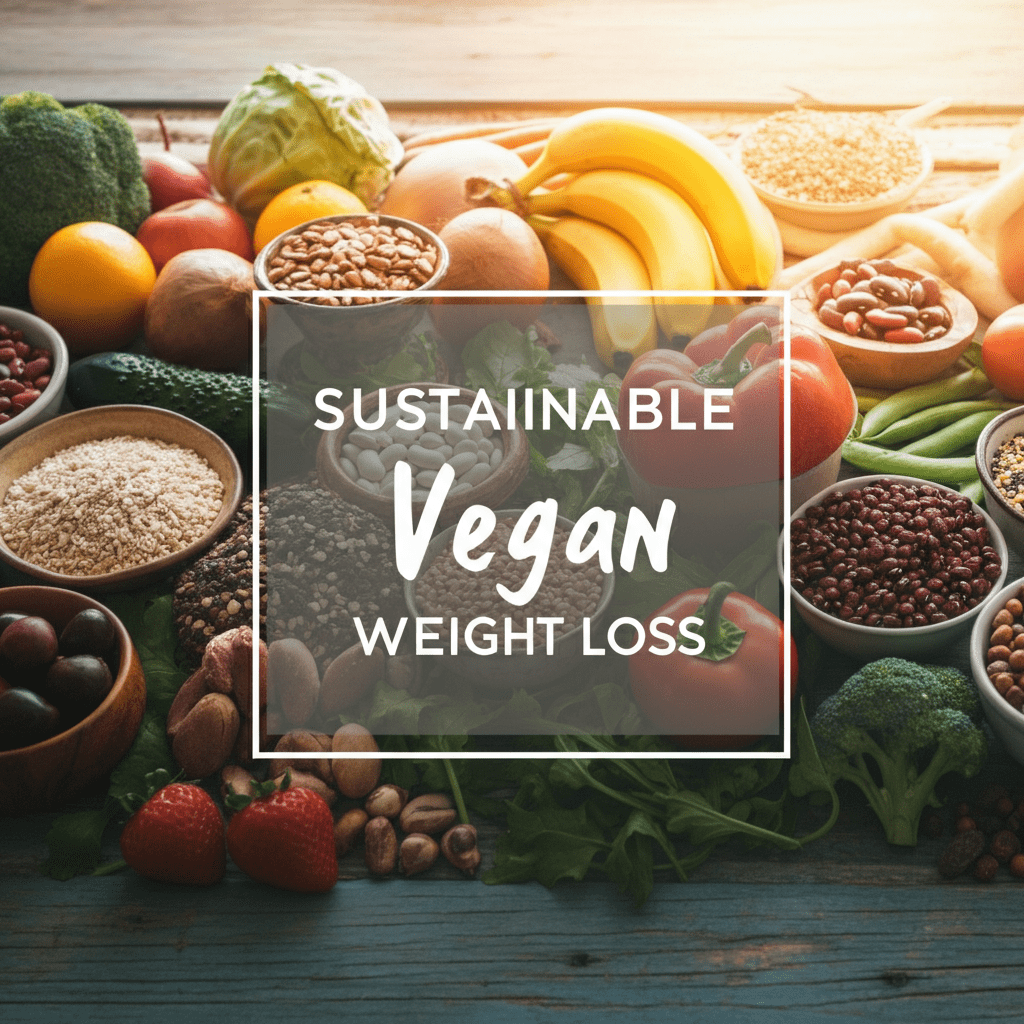
Are you following a vegan diet but feeling frustrated because the scale isn’t moving? You gave up meat, dairy, and other animal products, hoping for a transformation, only to discover that vegan weight loss isn’t as straightforward as it seems. The truth is, not all vegan foods support your health goals. But don’t worry—switching to a whole food, plant-based approach can be the game-changer you’re searching for.
Why Vegan Doesn’t Always Mean Healthy
The word “vegan” often conjures images of salads, fresh fruits, and nourishing grains. While those are undeniably healthy, the reality is that many vegan products in stores today are highly processed. From meat substitutes like Impossible Burgers to dairy-free cheeses and packaged sweets, these items are marketed as healthy alternatives when they’re often loaded with refined oils, preservatives, and sugars.
Here’s the kicker—processed vegan junk food is no better for weight loss than its non-vegan counterparts. These products can sabotage your health goals by causing inflammation, spiking blood sugar, and disrupting metabolism. Simply put, eating vegan doesn’t automatically bring you closer to your weight loss goals.
The Pitfalls of Processed Vegan Foods
Have you been indulging in vegan chips, plant-based desserts, or sugary beverages and wondering why the pounds aren’t coming off? Many people on a plant-based diet fall into this trap, believing that vegan labels equate to wellness. Unfortunately, processed vegan foods can carry the same harmful effects as traditional processed options.
Big food companies have mastered the art of “greenwashing,” using buzzwords like “plant-based” and “eco-friendly” to make products seem nutritious. The truth is, these foods are often stripped of nutrients and loaded with empty calories. Over time, consuming these items leads to the same issues that any processed diet creates, such as weight gain, low energy, and even an increased risk of chronic health conditions.
If you stick with processed options, you might find yourself feeling heavy, fatigued, and discouraged—and potentially giving up on veganism altogether. But don’t despair. There’s a solution that delivers the results you’ve been hoping for.
The Power of Whole Food Plant-Based Eating
Unlike processed vegan diets, whole food plant-based eating emphasizes consuming foods in their natural, unrefined state. Think fresh fruits, vibrant vegetables, hearty legumes, whole grains, and nutrient-dense potatoes. These foods are packed with fiber, vitamins, minerals, and antioxidants that fuel your body and promote lasting weight loss.
The beauty of whole food plant-based eating is that it works with your body, not against it. Instead of wreaking havoc on your metabolism, these foods keep you satiated with their natural nutrients and fiber. They also help regulate blood sugar and limit calorie overload without you needing to count every bite.
Imagine finally experiencing the vitality and weight loss you envisioned when you went vegan. That’s the promise of whole foods—they deliver real results without the confusion of misleading labels or fad diets.
How to Transition to a Whole Food Plant-Based Diet
Transitioning from a processed vegan diet to a whole food approach is easier than you might imagine, and incorporating anti-inflammatory foods. By making small, intentional changes, you can begin seeing noticeable improvements in your health and energy levels. Here’s how to get started with practical, actionable steps.
1. Fill Your Plate with Whole Plant Foods
Base your meals around simple yet nutrient-dense staples like fruits, vegetables, whole grains (such as quinoa or brown rice), legumes, and potatoes. These ingredients are versatile, filling, and delicious when prepared with fresh herbs and spices.
For instance, swap out processed vegan pizzas for a hearty vegetable stir-fry with quinoa, or ditch sugary granola bars for a satisfying snack of apple slices with almond butter.
2. Eliminate Processed Vegan Foods
Cut back on oil-heavy dressings, imitation meats, and packaged snacks that claim to be plant-based but aren’t supportive of your goals. It’s not about deprivation—it’s about replacing these items with nourishing alternatives. Homemade black bean burgers, chickpea salads, or roasted vegetables are excellent options that won’t leave you feeling like you’re missing out.
3. Save Vegan Treats for Special Occasions
We all love a good treat now and then, and there’s nothing wrong with that. Just reserve processed goodies like vegan cookies, cakes, and chips for special occasions, such as birthdays or holidays.
Day-to-day eating should focus on foods that move you closer to your goals. You’ll notice how much better your body feels when fueled by nature’s bounty rather than the stuff that comes in colorful, crinkly bags.
4. Stick to Water Over Sugary Beverages
Keep it simple when it comes to drinks. Skip the sweetened teas, sodas, and juices and opt for good old-fashioned water to keep your body hydrated and your calorie intake low. Infuse your water with fresh fruit slices or cucumber for an extra refreshing kick.
5. Plan Ahead
Meal planning is a powerful way to stay on track with whole food plant-based eating. Dedicate an hour each week to prepping ingredients or cooking in bulk so you always have nutritious meals ready to go. When the temptation to grab processed options arises, you’ll already have better choices waiting for you.
The Uplifting Benefits of Vegan Weight Loss
Making the switch to a whole food plant-based diet isn’t just about shedding pounds—it’s about reclaiming your health and happiness. Here are just some of the life-changing benefits you can expect when you prioritize real, plant-based foods.
- Sustainable Weight Loss: No more yo-yo dieting; whole foods help you maintain a healthy weight effortlessly.
- Boosted Energy: Feel rejuvenated and ready to tackle your day without relying on caffeine or sugar.
- Clearer Skin: Whole foods promote better digestion and reduce inflammation, giving you that natural glow.
- Pain Relief: Many people report reduced joint and muscle pain on a low-fat, whole food plant-based diet.
- Improved Sleep: Rest peacefully as your body feels lighter and more balanced.
- Confidence: Knowing you’re nourishing your body and achieving your goals brings new levels of self-assurance.
Final Takeaways—and Your Call to Action
To recap, vegan weight loss becomes a reality when you ditch processed products and focus on whole, plant-based foods. Here are three key takeaways to keep in mind as you start your transformation:
- Vegan doesn’t automatically mean healthy—processed products can block your progress.
- Whole foods create whole health—natural, unrefined ingredients are the key to success.
- Simplicity works—choose foods as close to their natural state as possible.
Starting today, challenge yourself to replace just one processed vegan meal with a wholesome alternative. Maybe you’ll swap takeout pizza for a hearty vegetable soup or trade sugary cereal for a bowl of oatmeal topped with fresh berries. Commit to one small step at a time, and you’ll quickly notice the difference.
Your health is your most valuable asset—take control of it by fueling your body with the goodness it craves. Sustainable vegan weight loss is within your reach, and it all starts with simple, purposeful choices. You’ve got this!
